Genealogy Tours
Turn faded family memories, old letters, and forgotten surnames into an unforgettable personal journey through the historic heart of Kuyavia-Pomerania and Greater Poland.
Maybe your ancestors sailed to the US, Canada or Australia. Maybe they ended up in Britain, or in Germany, with a tangled Polish-German story you can’t sort out without knowing the local history. Either way, a good chunk of the answers sits in central Poland.
Languages, people and fates mixed here for centuries. Families moved, partition borders shifted, and towns changed names: Bydgoszcz was Bromberg, Toruń was Thorn, Szubin was Schubin. Search the records under one name and you can easily miss the entry filed under the other.
Drop us a line with your family names or ancestral village, and let’s start writing your family’s Polish chapter.
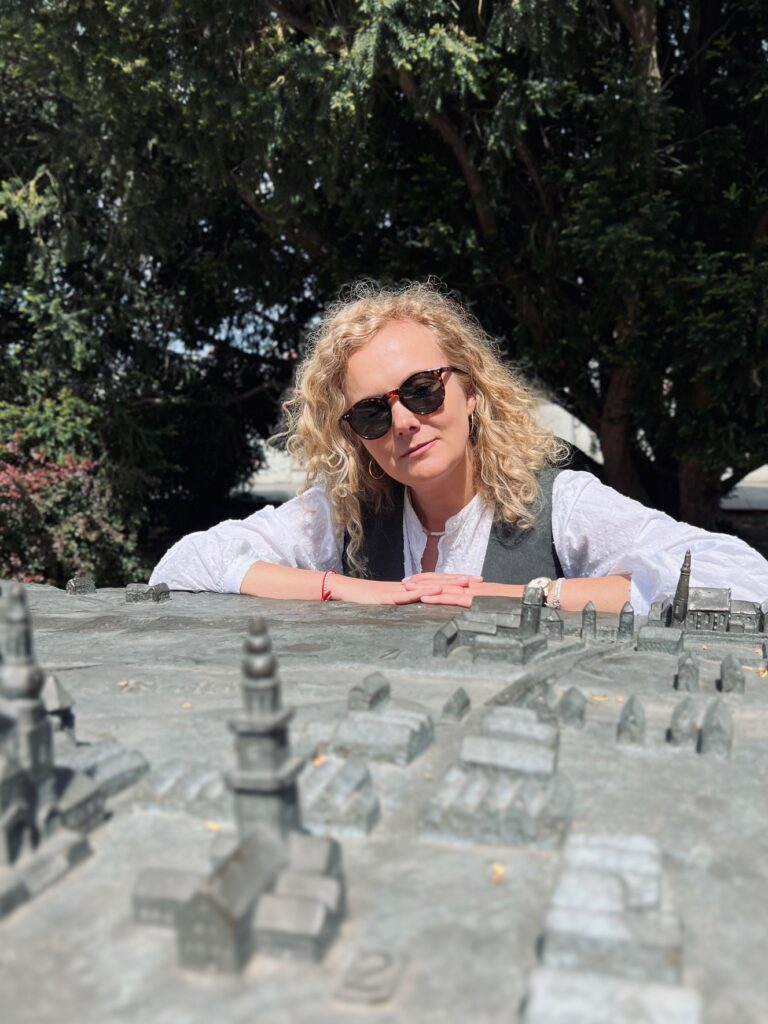
Meet Daria: Your Archive Detective & Local Insider
“Tracking down forgotten family histories across Poland is my obsession.”
I’m Daria. When I’m not welcoming visitors to the Museum of Soap and History of Dirt – a unique local landmark I founded in Bydgoszcz—or guiding travelers through the city’s hidden gems, you will find me digging through dusty parish registries, vintage address books, and regional archives.
For over 20 years, I’ve helped travelers from across the globe turn fragmented memories into deeply moving, private heritage journeys. Every year, I personally guide dozens of families through the historic towns, quiet parishes, and rural landscapes of the Kuyavian-Pomeranian and Greater Poland regions.
3 steps to discover your’s family history
1. Discover & Gather (Start in your attic)
Look through family albums, naturalization papers, old postcards, and census listings (platforms like FamilySearch are fantastic for 19th-century passenger manifests). Any small detail – a misspelled village name, a godparent’s name, or a grandmother’s maiden surname – is pure gold for locating parish and civil records.
2. Deep archival research (Our detective work)
Share whatever clues you have, and we will dive into regional state archives, diocesan collections, and historic libraries. Polish, Prussian-era German, Latin, and Russian records can be an administrative and linguistic maze. We bridge that gap to provide verified facts, original document scans, and clear historical context.
3. Your tailor-made heritage tour (The Experience)
Once the puzzle pieces come together, we design a private itinerary (typically 2 to 5 days or longer) tailored entirely to your pace:
- Ancestral villages & parishes: Stand inside the church where your ancestors were baptized and walk through the historic cemeteries where they rest.
- Local connections: Meet village elders, local historians, or even distant living relatives.
- Seamless logistics: Comfortable private transport, handpicked boutique accommodations, and hotel pickup.
- Dedicated guiding & translation: An experienced English-speaking companion and researcher by your side every step of the way.
What we do for you?
Real Stories from Travelers Like You
“You truly made our lifelong dream come true. Your insight into the history of our ancestral homeland was beyond our expectations!”
— Ken & Jo, Milwaukee, Wisconsin
“It was an incredible experience tracing my great-grandfather in Kcynia with your team, topped off by visiting your wonderful Museum of Soap and History of Dirt in Bydgoszcz. Truly memorable!”
— Nick & Penny Coni, Cambridge, UK
Mark & Linda i Family from UK
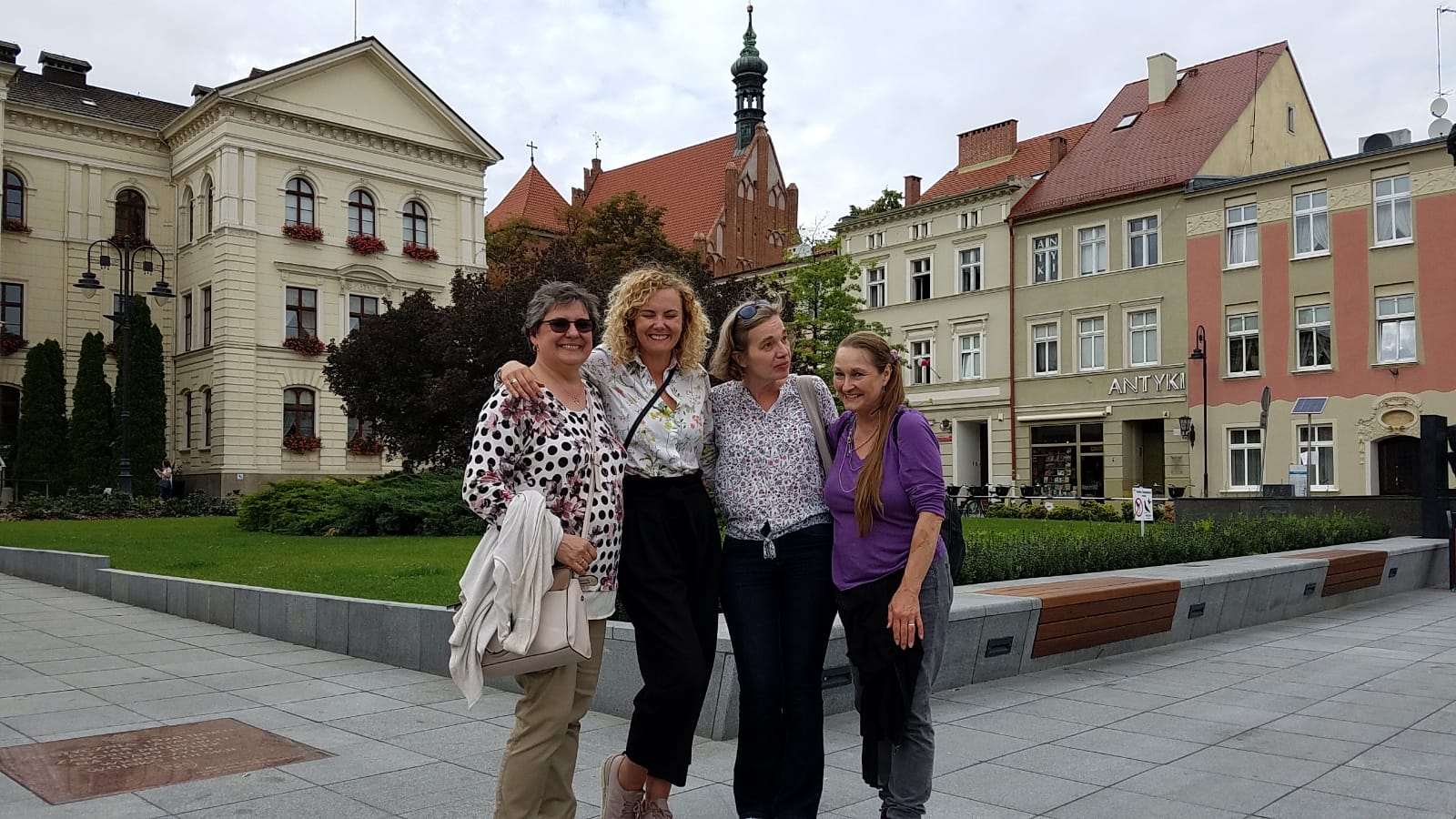
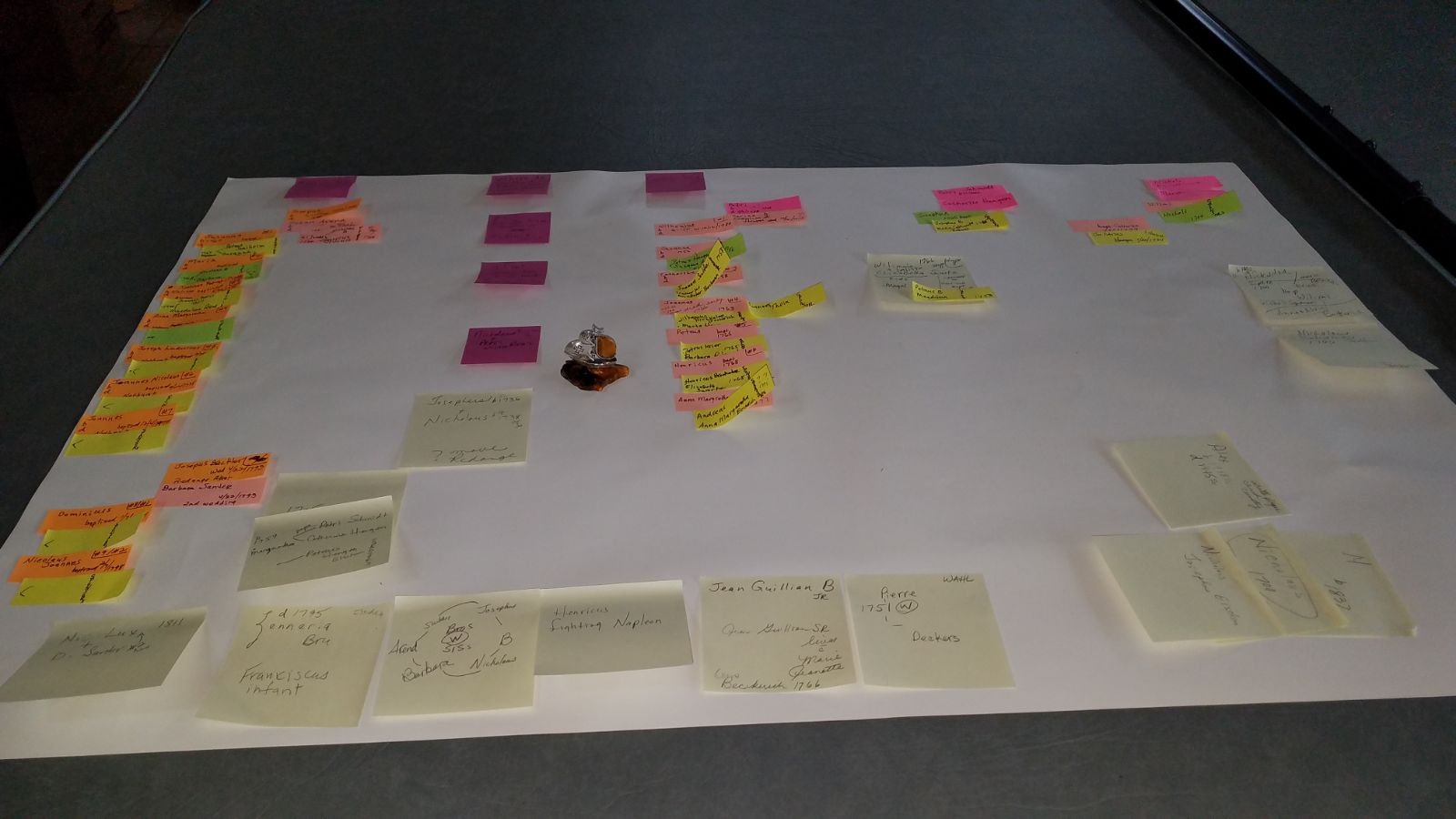
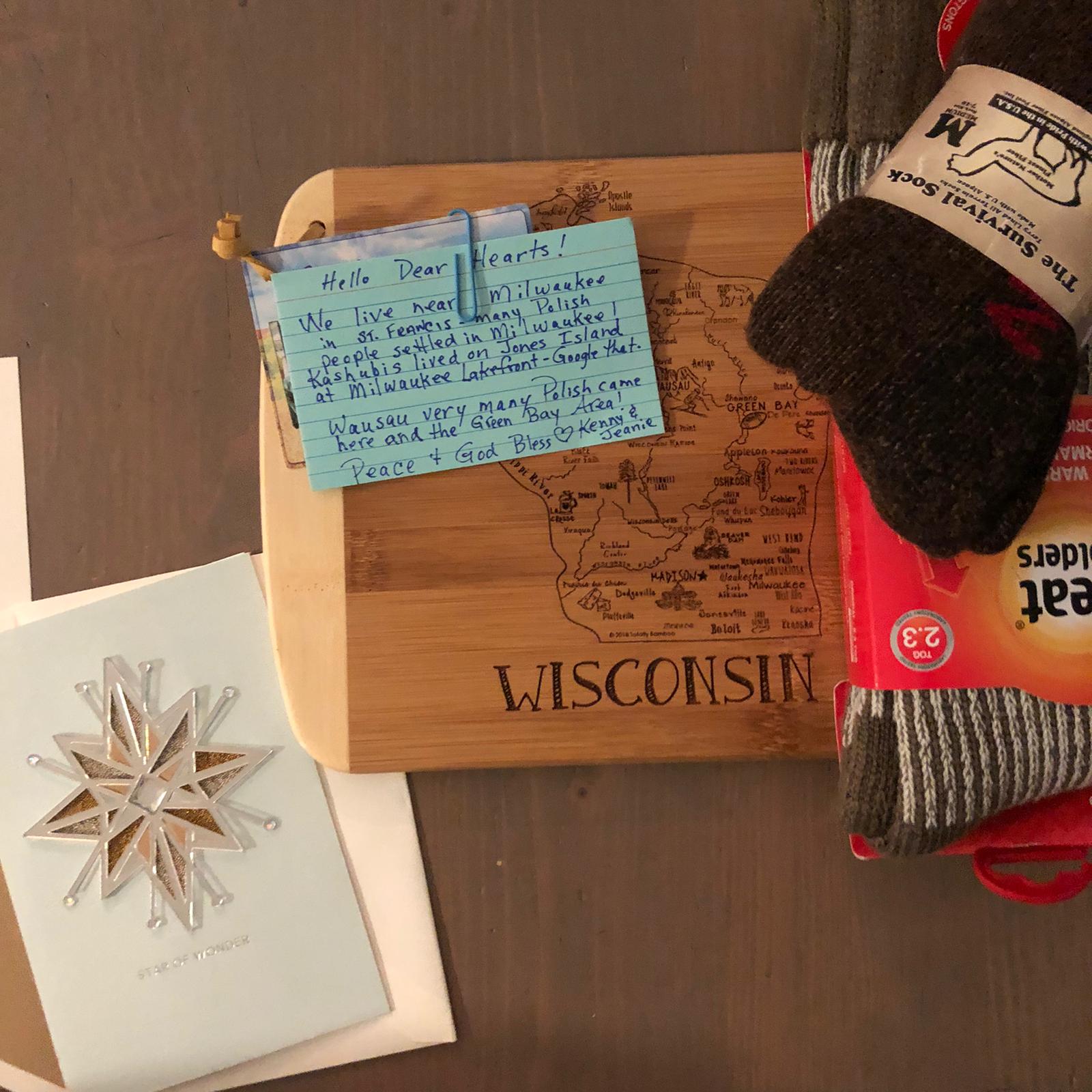
Tracing ancestors in the heart of Poland
A journey across time with Linda and Mark
Sometimes, the most profound journeys begin by pure chance. In 2018, Linda and her husband Mark flew to Poland from USA with a dream of finding their ancestral roots. However, they had no idea where to start. A casual conversation with a passenger on their flight led them to me – a local guide with a deep passion for history and genealogy. They were staying at a hotel in Bydgoszcz, had only a few days to spare, and brought absolutely no documents with them. All they knew was that their families originated from two small towns nearby: Szubin and Żnin.
Click here to read more...
Genealogy tourism is about more than just reading maps – it’s about reading history. Linda and Mark faced a daunting challenge. They had no paperwork, no knowledge of Polish genealogical research, and limited time. Furthermore, their ancestors had left Poland for the United States a very long time ago – in the late 18th and early 19th centuries.
To make things even more complex, their families lived during the Prussian partition of Poland. From 1772 onwards, this region became part of Prussia. Bydgoszcz was renamed Bromberg, and all surrounding towns adopted German-sounding names. As a result, all official address books, parish registers, and civil records were written in German – even though the families had distinctly Polish surnames. Navigating this historical maze requires local expertise.
We didn’t waste a minute. I picked Linda and Mark up from their hotel early in the morning, and we hit the road. Our first goal was to locate the exact archives responsible for the birthplaces of both families, which ultimately led us to the State Archive in Wrocław.
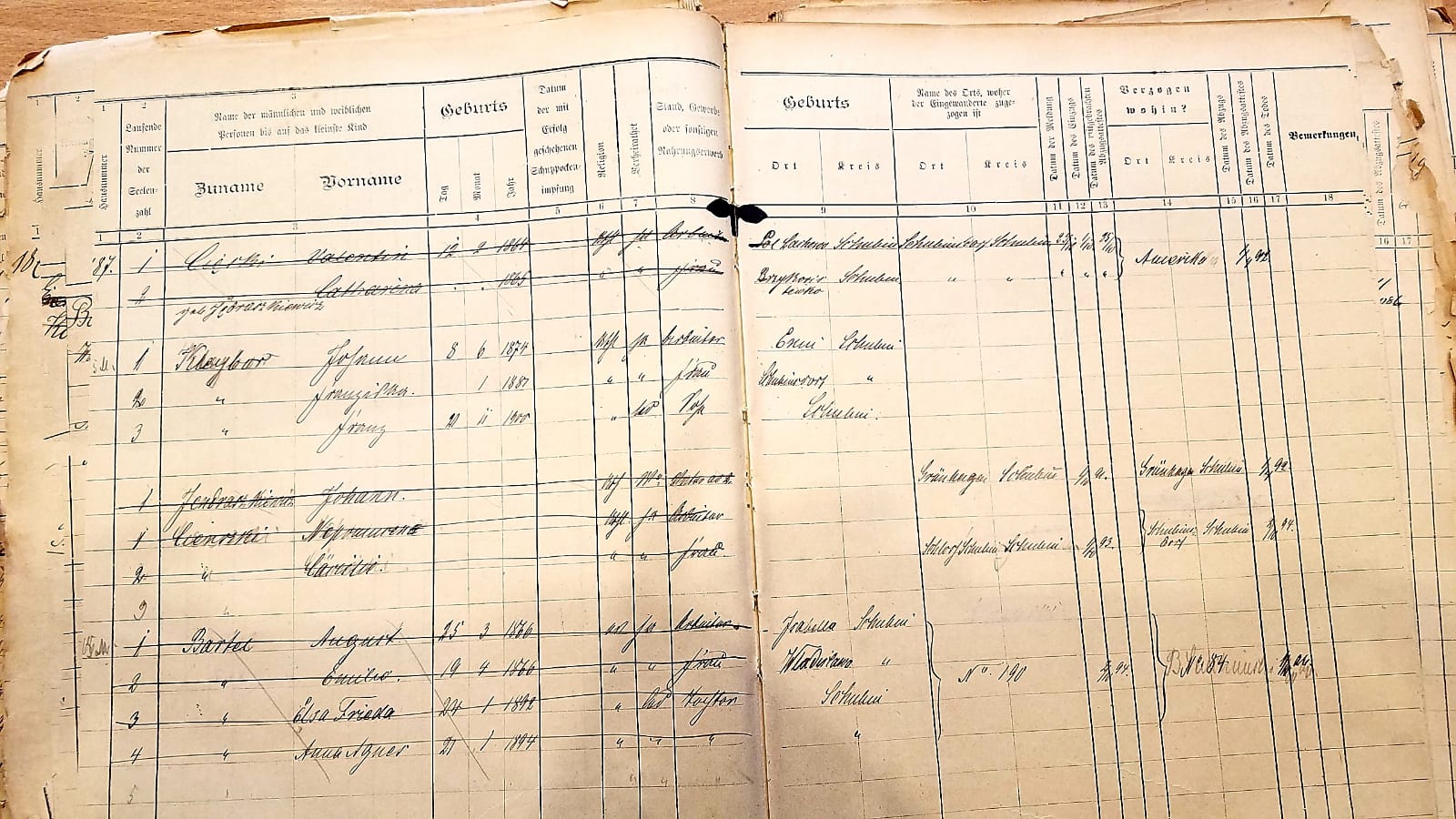
Back in 2018, many archival documents were not yet fully digitized, which meant we had the rare and incredibly moving opportunity to manually browse through the original, centuries-old physical books. For Linda and Mark, touching the very pages that held their family’s history was an unforgettable experience.
As is often the case in genealogy, family legends passed down through generations can become slightly distorted. Together, we uncovered the real stories. We discovered that there were actually more children in the family than they had thought. Sadly, some had passed away in infancy – a heartbreaking but natural reality of life in those times, and a crucial missing piece of their family puzzle.
Our breakthrough came thanks to the late 18th-century Prussian census. As one of the first comprehensive censuses in the region, it provided us with a detailed snapshot of the country’s residents. Because I knew exactly where to look and how to interpret these complex, multi-lingual historical shifts, we were able to successfully trace their family tree back to its roots.
Dry goods on Długa Street – Miriam’s story
A Short story of a family from Bydgoszcz
Every tour is a new adventure, not just for the traveler, but also for the guide. Even more so when that traveler is a staff member from the Sydney Jewish Museum in search of her roots in Bydgoszcz.
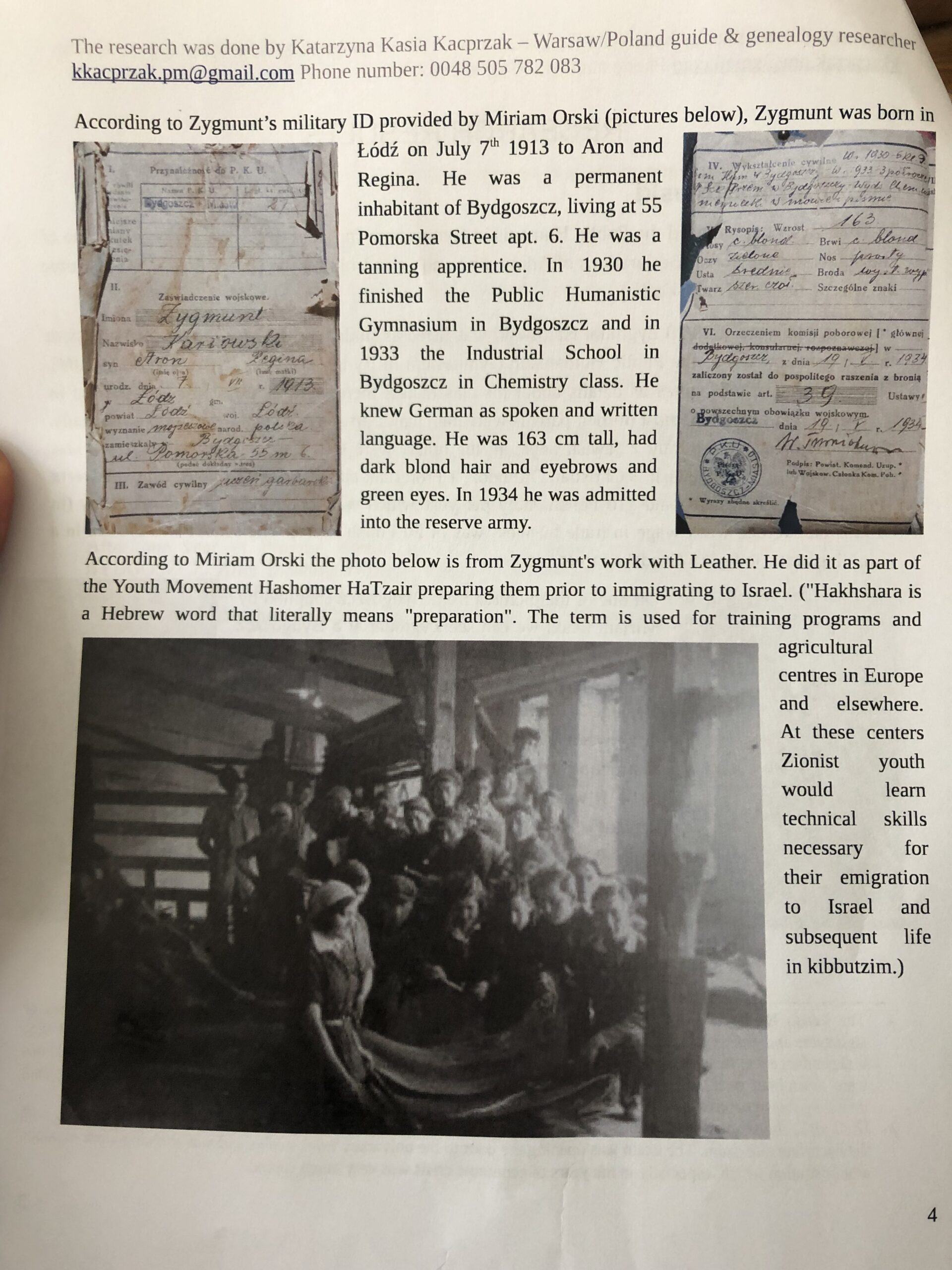
Miriam first contacted us back in the winter. Well, summer for her, since she lives in Sydney. She wrote an email explaining that her grandfather, Aron Kartowski and her father – Zygmunt, used to live in Bydgoszcz. She was planning a trip and was very keen to have me show her around the city and visit the places where her family had once lived.
For a long time, she had been looking for an English-speaking guide capable of uncovering information about her family. Records from a century ago can be traced relatively easily at the Municipal Archives, but it takes both genuine enthusiasm and fluency in Polish.
Click here to read more...
Once Miriam had tracked down leads on her ancestors, she knew Bydgoszcz was an essential stop. She began searching for a guide with—as she put it—a specialization in “the history of Jews in Bydgoszcz.”
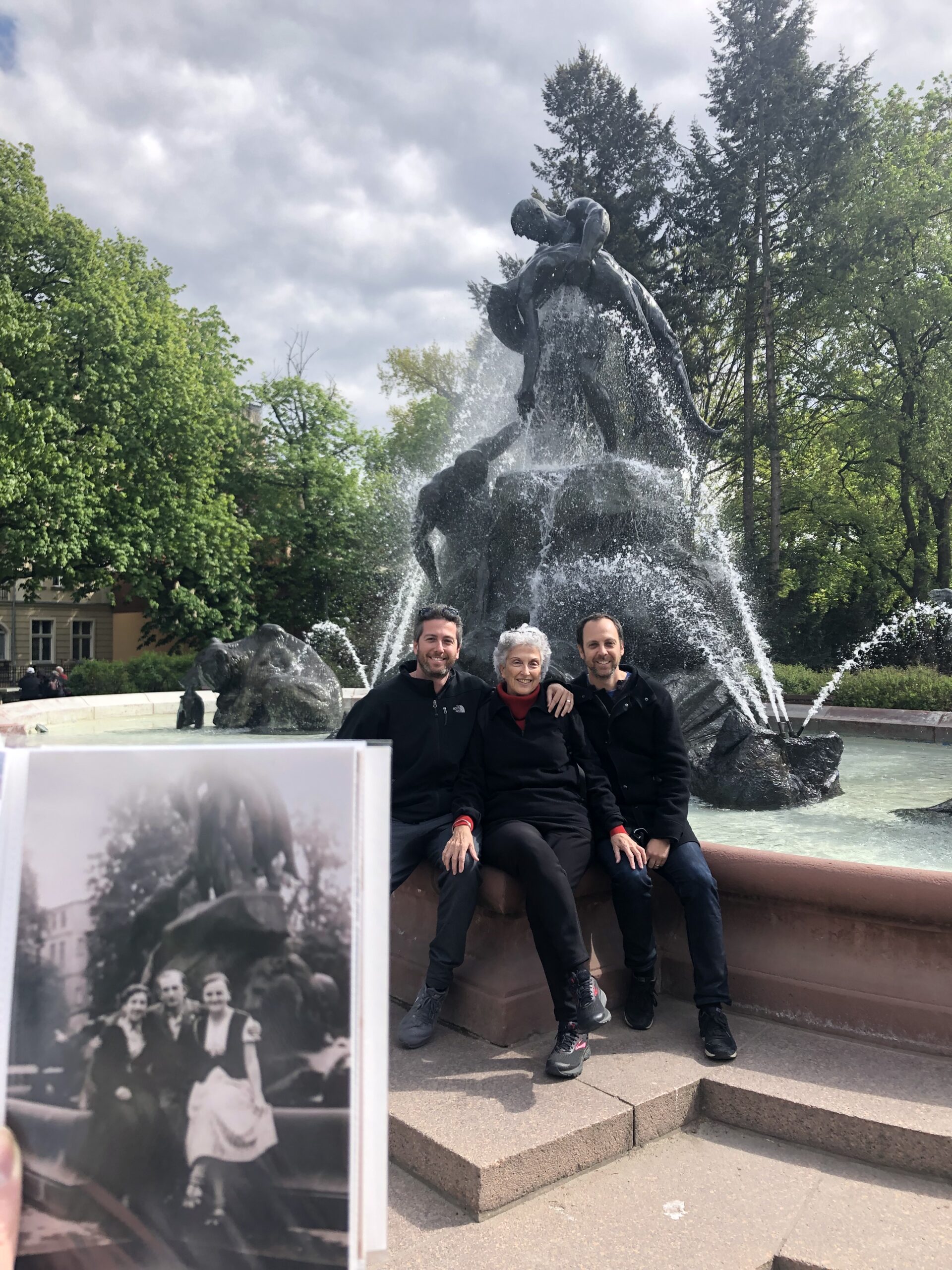
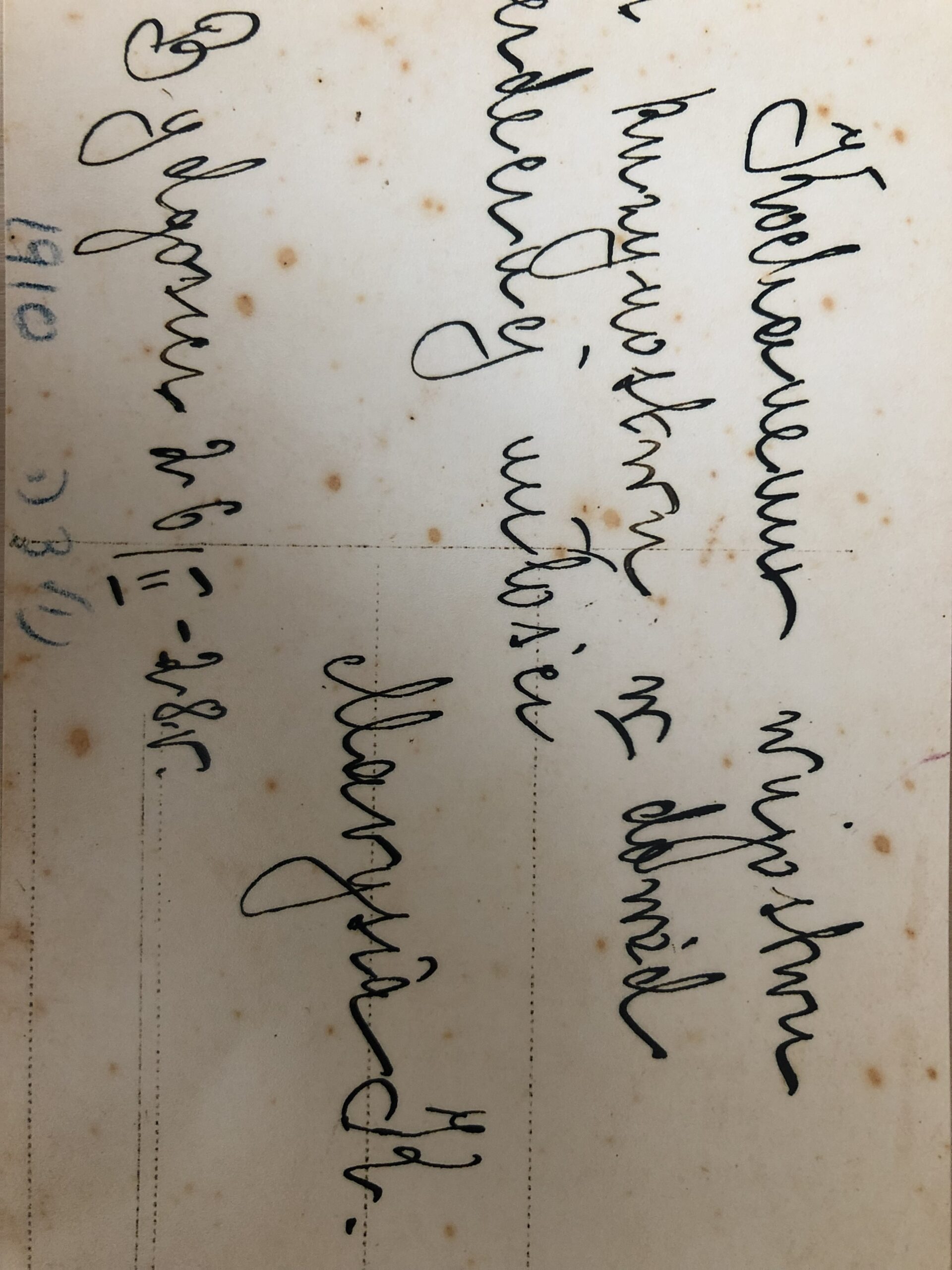
I must admit, I love assignments like this. Guiding in Bydgoszcz is a passion for me, not just a job, and non-standard tours bring me the most joy. This one promised to be just that. In follow-up emails, she sent me documents belonging to her grandfather and father, along with family photos. The one that moved me most was a postcard with a handwritten note in Yiddish reading “Zygmunt, 16 years old,” affixed to a posed portrait taken in front of the Deluge Fountain (Fontanna Potop).
It turned out Miriam’s family originally hailed from Łódź. They were in the men’s outfitting trade: selling hats, suits, overcoats, and underwear. In 1922, the economic crisis and plummeting local demand for luxury goods forced them to leave their hometown. They found a new home in Bydgoszcz. At that time, Jewish residents lived mostly in the southern part of the Old Town – along Długa, Batorego, and Jana Kazimierza streets. The Synagogue stood nearby.
According to the city directory, Aron’s family lived at three different addresses in downtown Bydgoszcz. Like many other Jews, they were not closely tied to the formal religious community and consequently did not pay community taxes. In the directory, Aron was listed merely as a shop assistant (subiekt). Furthermore, there was no business registered under his surname. Strange, I thought. Miriam believed her grandfather owned three shops, yet here the records made him out to be a simple hat salesman.
Still, a gut feeling told me I might be missing something – and I was! The first breakthrough came with finding the “SPORT” store at 15 Podwale Street. It had been run by Zygmunt’s sister, the beautiful and talented Maria Kartowska. Yet I kept obstinately digging for Aron’s shop. Suddenly… the Dziennik Bydgoski newspaper came to the rescue. On February 20, 1928, the paper reported a break-in at Kartowski’s store on Długa Street in Bydgoszcz:
The value of the stolen merchandise would amount to roughly 9,000 contemporary Polish złoty today.
Miriam and I exchanged numerous messages. She wanted the itinerary finalized well before setting foot in Bydgoszcz. She asked whether Bydgoszcz had a Jewish quarter. The answer is not entirely straightforward. Under privileges granted by King Sigismund I the Old, Jews were permitted to settle in nearby Fordon starting in the 16th century, and much of the town’s historic fabric from that Jewish community survives today. However, that was not Bydgoszcz’s Jewish quarter. Jews were only permitted to settle within Bydgoszcz itself in the 19th century. That was when the decision was made to build the Synagogue, and the local Jewish community began crystallizing around it. It was a diverse community that included many German entrepreneurs. Aron Kartowski was a member, as evidenced by records of his membership dues.
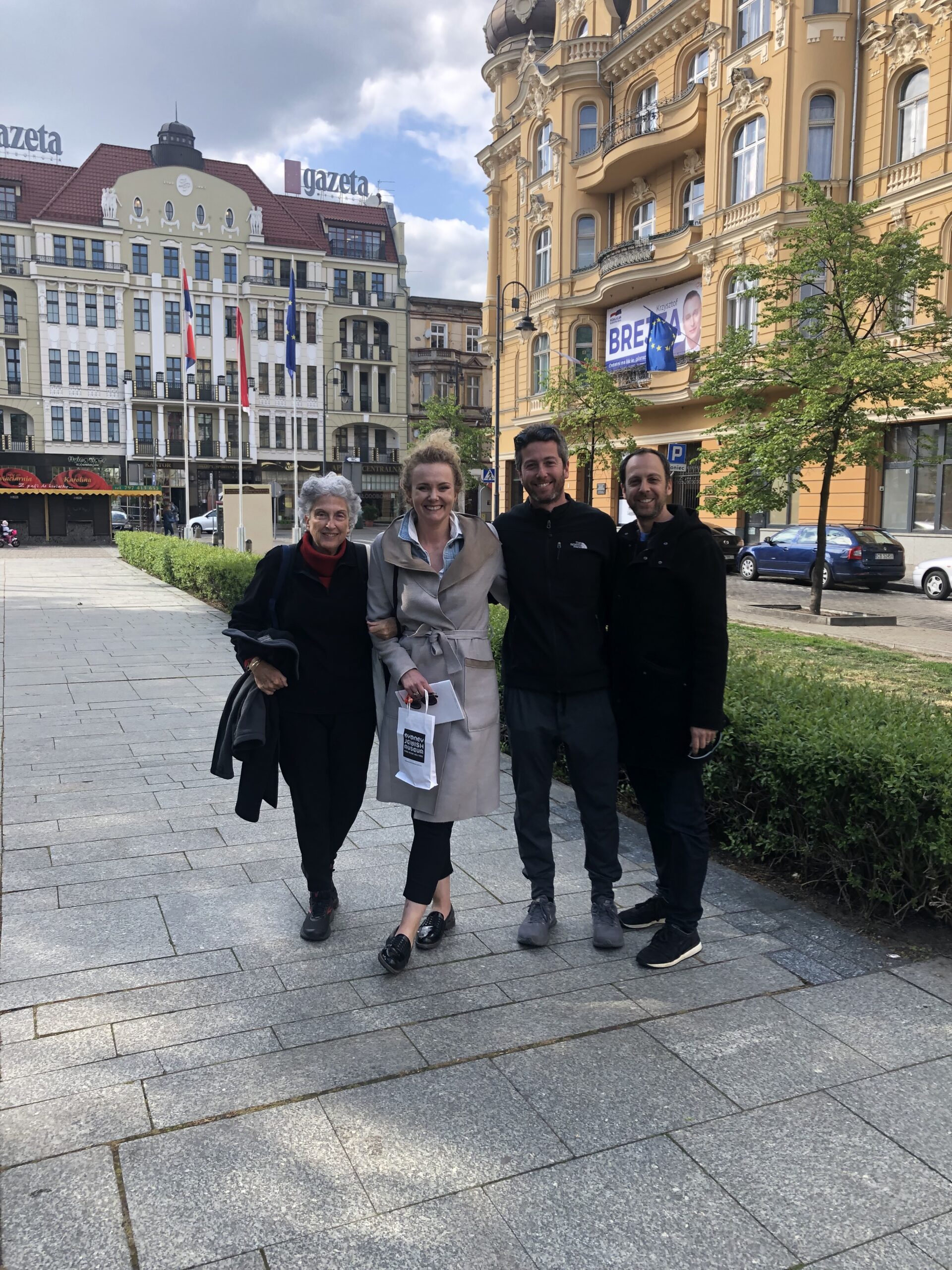
For my part, I was eager to learn what became of the Kartowski family and how Aron’s granddaughter ended up in Sydney. We met by the memorial stone commemorating the former Bydgoszcz Synagogue. Miriam had all her notes with her and was thoroughly prepared for the tour. We walked down Długa Street, where I showed her the probable locations of her father’s and grandfather’s shop, as well as her aunt Maria’s store.
Miriam and her grown sons were deeply moved by everything they saw. Perhaps the most poignant moment was taking a photograph in the exact spot where her father and grandfather had once posed: right by the Deluge Fountain.
What Happened to Zygmunt and the Rest of the Family?
Zygmunt attended school on Grodzka Street (now home to the Faculty of Theology). He was athletic, belonged to a cycling club, and was a member of the Warta Szmojra club on Focha Street. He soon began helping his father in the shop. In the face of mounting nationalist and antisemitic hostility, it is very likely his father transferred ownership of the store to someone with a Polish surname. Even so, they did not want to leave Bydgoszcz; they enjoyed their life here. Young people like Zygmunt were recruited by sports clubs for trips to Mandatory Palestine (later Israel), where they were encouraged to stay. Aware of the looming danger, Zygmunt wanted to take the entire family with him, but they flatly refused, believing they were in no real peril. They were mistaken.
Right at the outbreak of the war, Aron was deported to the Auschwitz camp, along with several other family members. Maria survived.
Zygmunt met his future wife at a camp/gathering, and together they settled in Israel. Miriam eventually moved to Sydney, where in her retirement she volunteers at the Sydney Jewish Museum. She felt a deep calling to uncover and touch her family’s history firsthand.
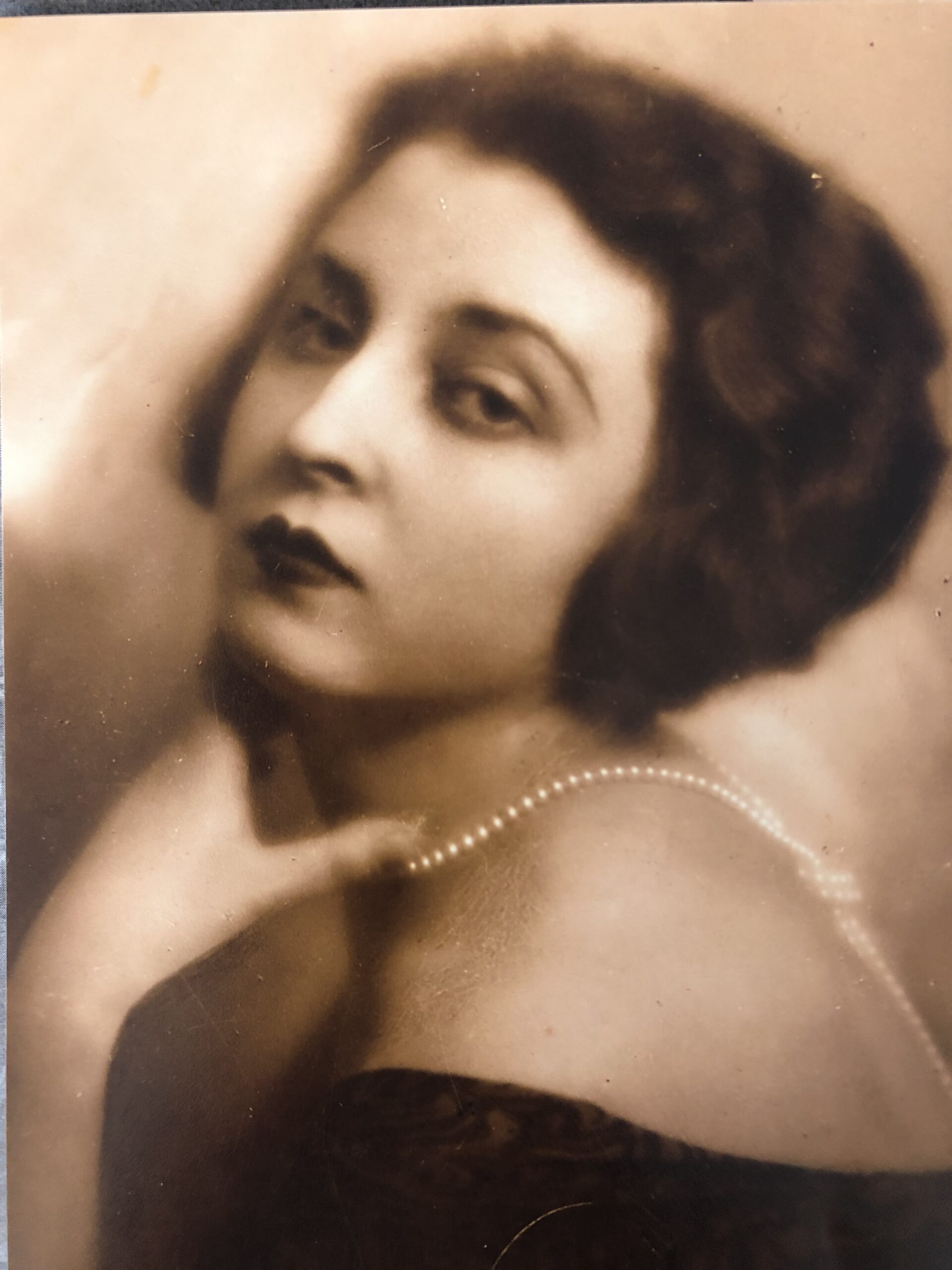
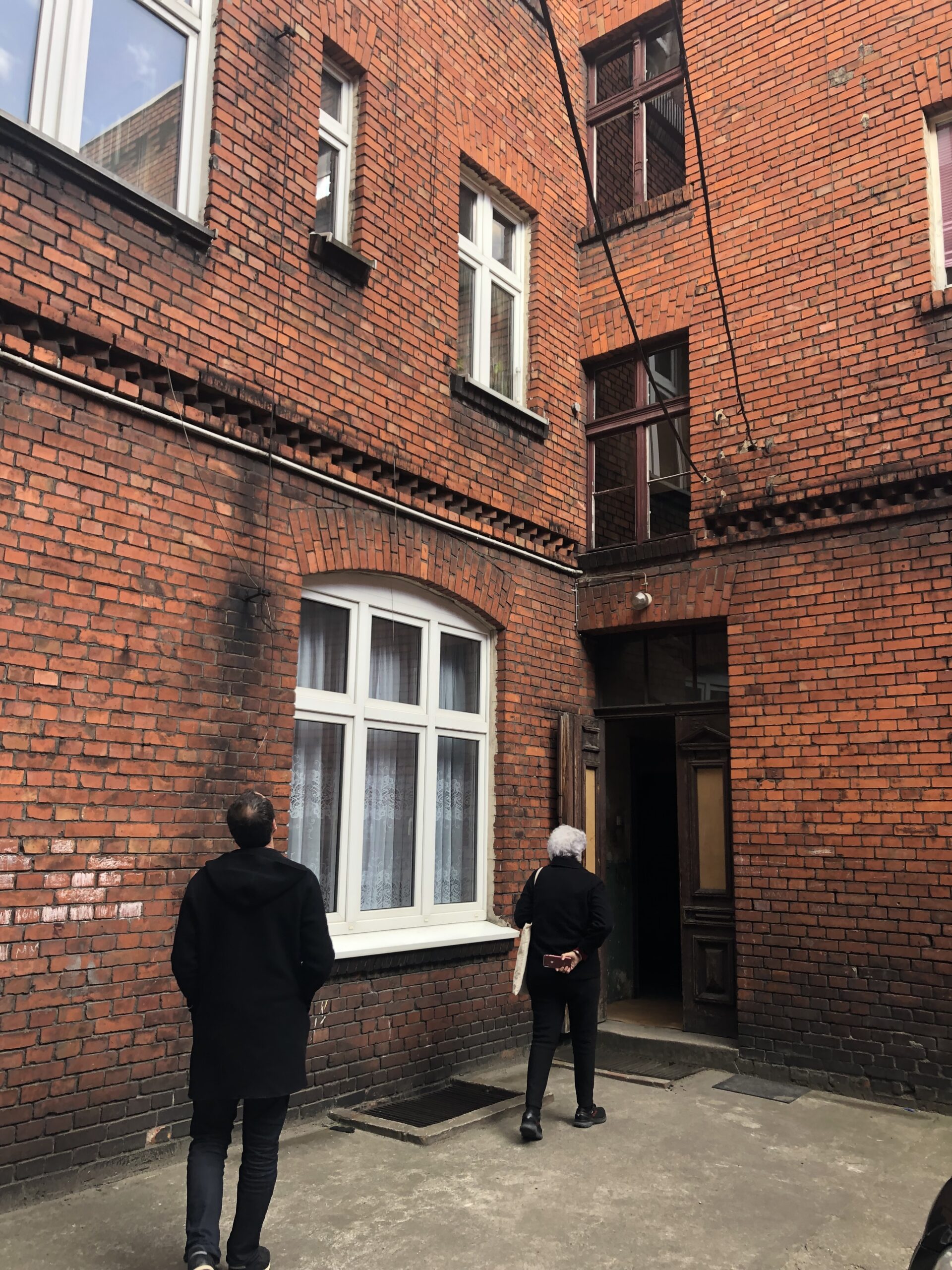
Echoes of WW II – father’s secret past
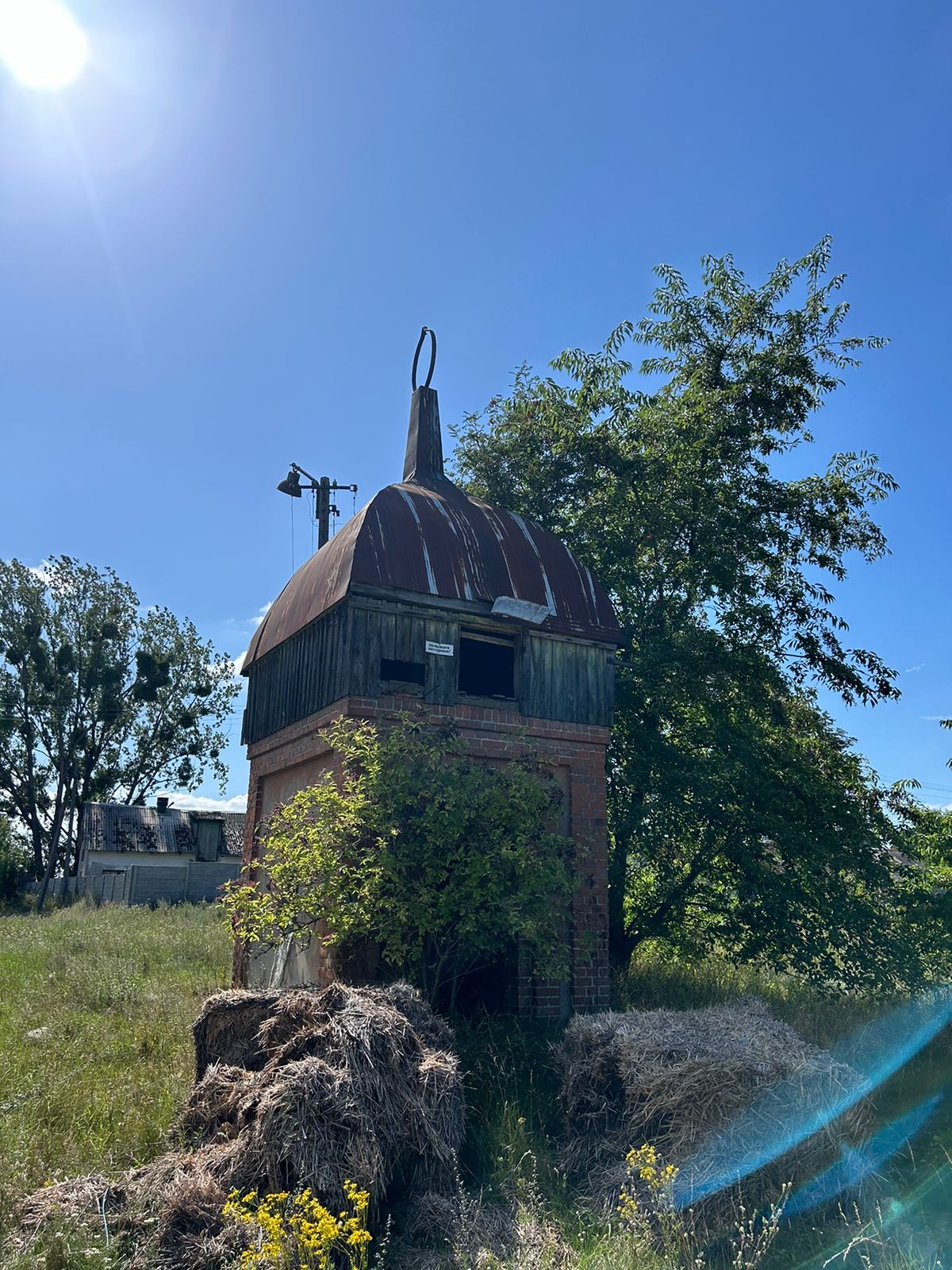
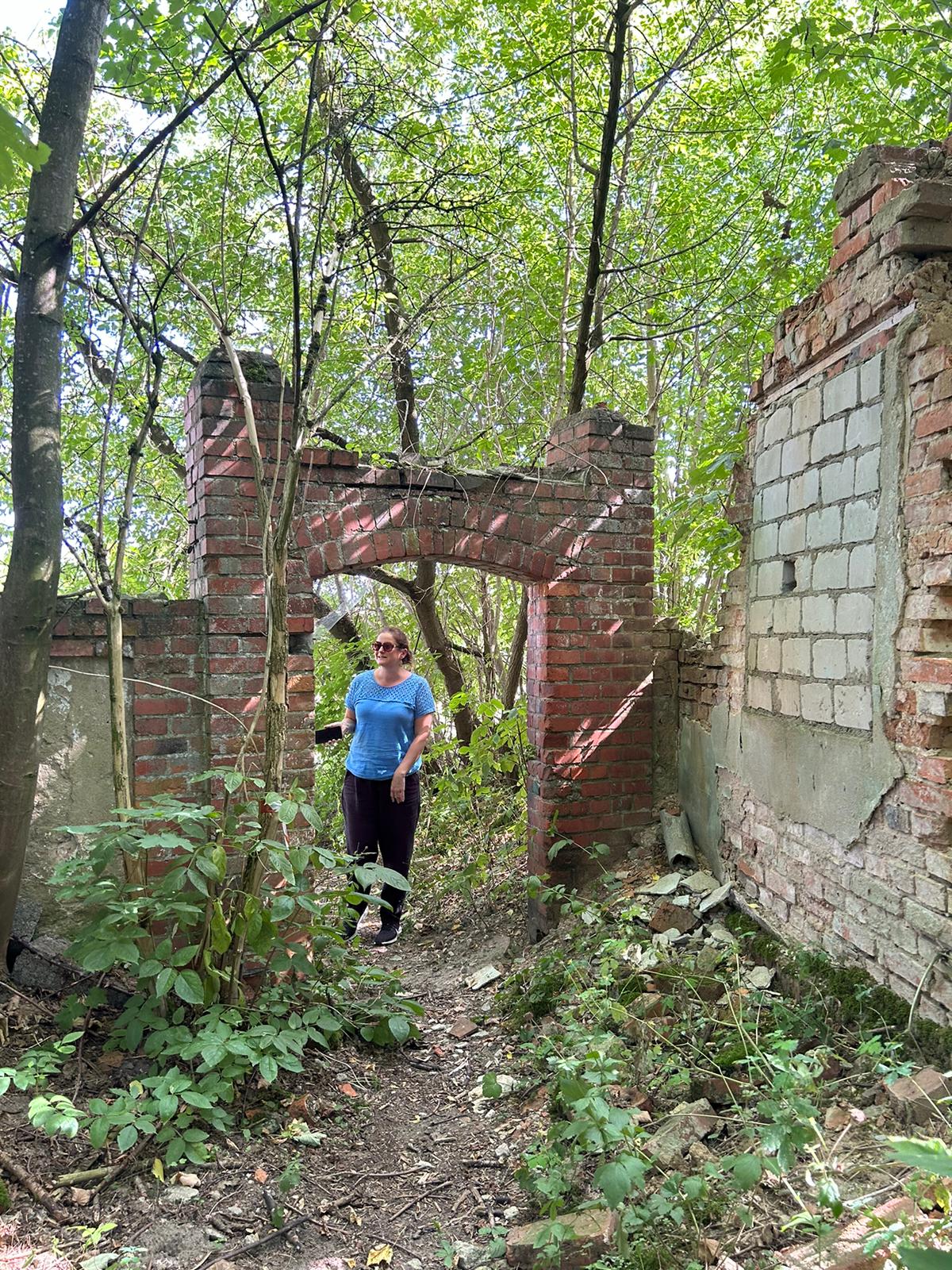
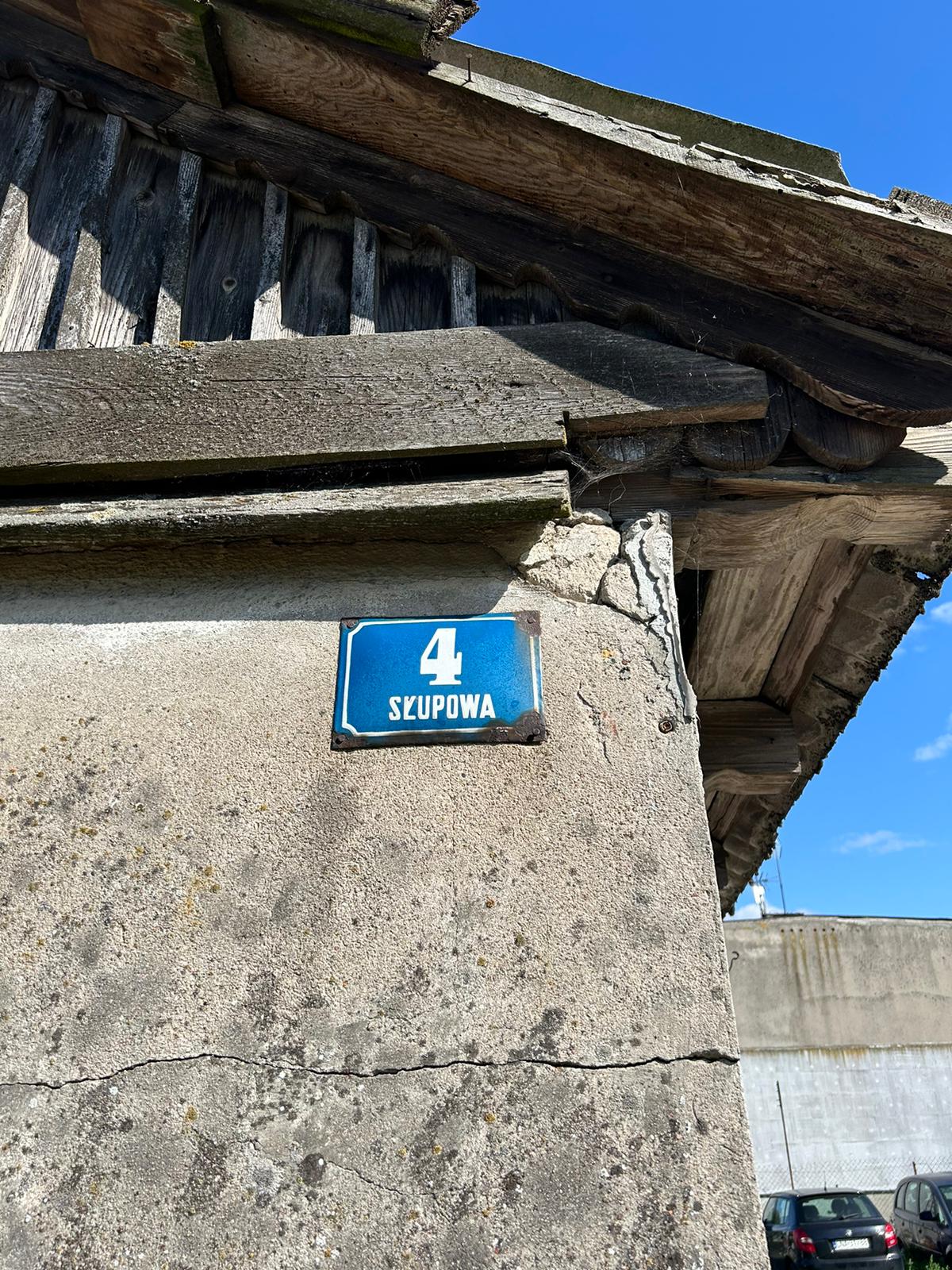
A family of three from the UK – parents and their daughter – reached out to me with a unique and deeply personal mission. The father wanted to apply for Polish citizenship, a tribute to his own father who had left Poland during World War II and never returned.
The family had never visited Poland during the grandfather’s lifetime. However, they remembered sending care packages to mysterious relatives in Poland for years. They also possessed a collection of old, handwritten photographs sent from these relatives. The problem? They couldn’t read the Polish inscriptions on the back of the photos, and the true identity of the recipients remained a mystery. It was a fascinating puzzle waiting to be solved.
Click here to read more...
Our starting point was thin but crucial. We knew the grandfather came from the Bydgoszcz region and lived in a village called Słupowa, somewhere near a local palace. We also deciphered his profession from the stories: he was a wheelwright (a craftsman who made and repaired wooden wheels for wagons).
Armed with this knowledge, coffee, and the old photographs, we set out into the Kuyavian-Pomeranian countryside.
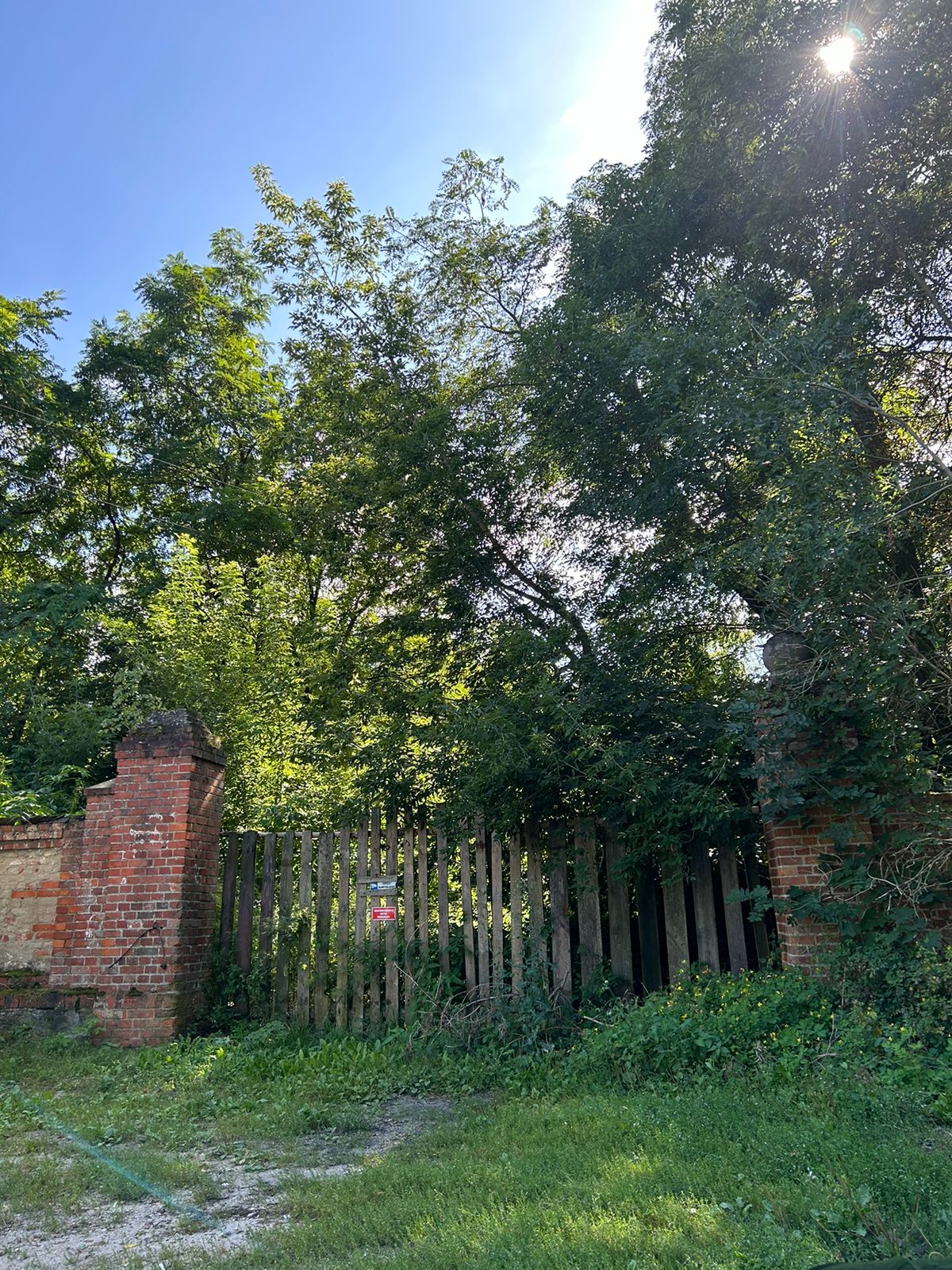
When we arrived in Słupowa, the family was initially confused. There was no palace to be seen. But as a local guide, I know how to read the historical landscape. To find a lost manor, you look for the old, majestic tree-lined avenues – specifically chestnut alleys -which historically led to noble estates.
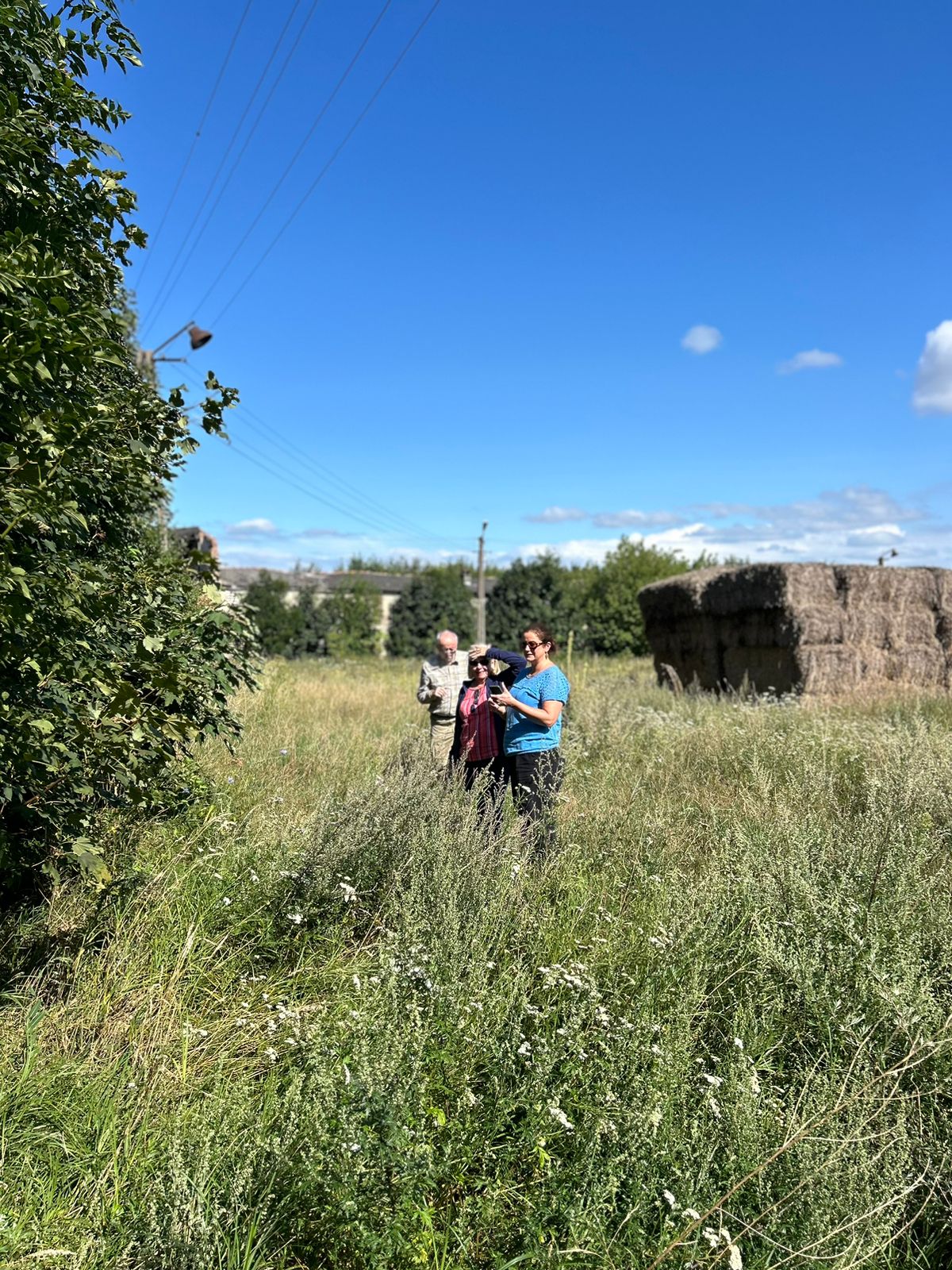
Following the chestnut trees, we found the site. The palace itself was gone, replaced by farm ruins and an old manor scale, but we were in the right place. We searched the area for any sign of the wheelwright’s workshop, but found nothing.
In my line of work, there is a Polish saying: “The end of your tongue is your best guide” (meaning: ask, and you shall find). We knocked on doors, but the current residents didn’t know the pre-war history.
Then, I had an idea: we needed to visit the sołtys (the village headman). It was an absolute bullseye. Not only did the sołtys know the history, but in an incredible twist of fate, his own father had been the village blacksmith – and his forge was located right next door to the grandfather’s wheelwright workshop!
The sołtys quickly gathered the oldest residents of the village. Suddenly, my clients were surrounded by locals sharing vivid, firsthand memories of the WWII era and describing exactly what the grandfather’s house and workshop looked like before they were demolished years ago to make way for garages.
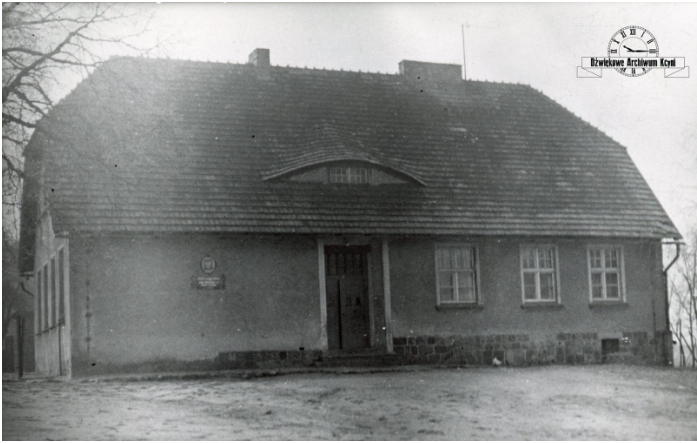
We wanted to dig deeper. I knew about a digital archive of old, red-brick rural schools in the region. Cross-referencing this with the sołtys’s memories, we discovered the local school wasn’t in Słupowa, but in a neighboring village with a strikingly similar name: Słupowo.
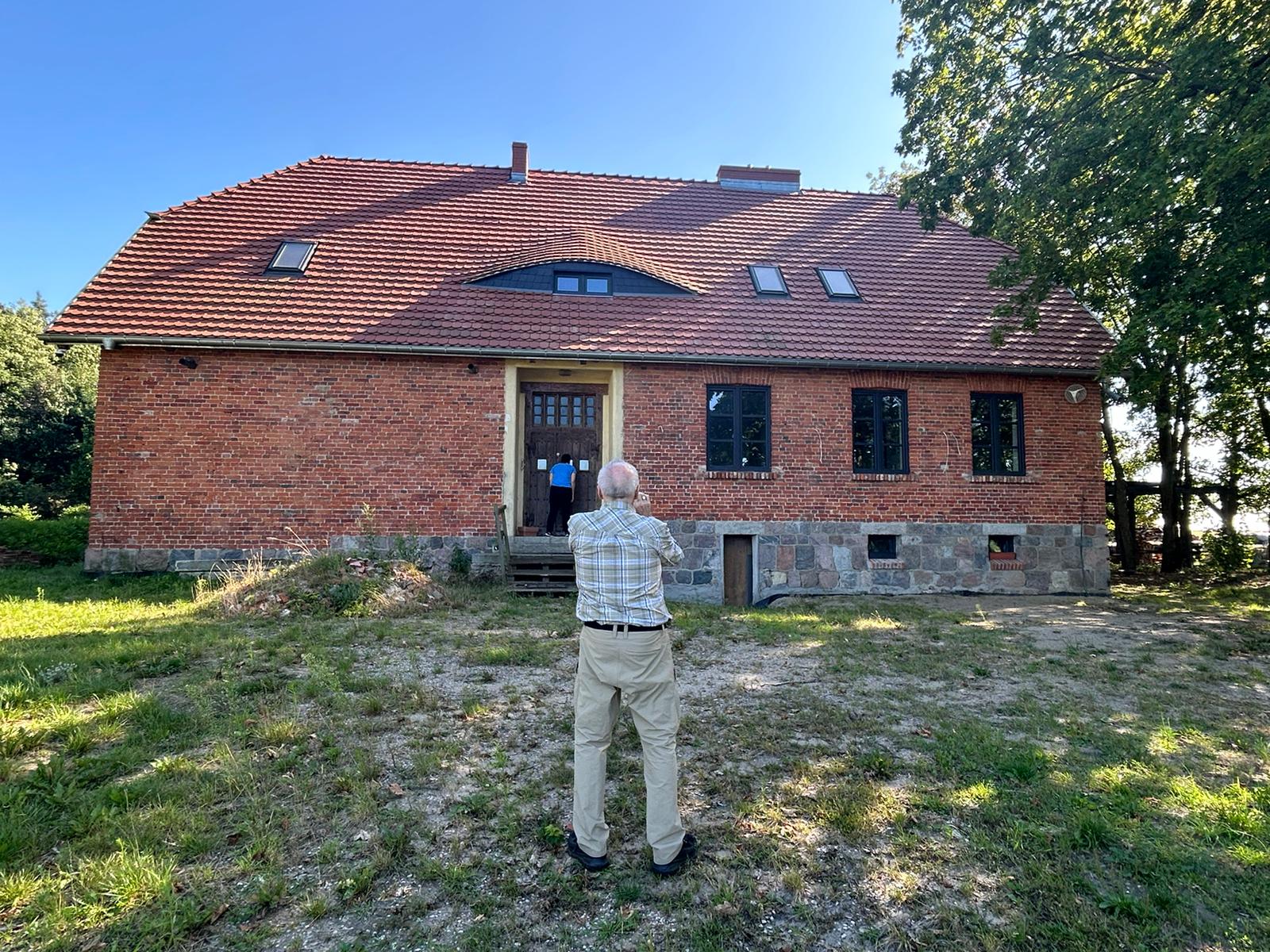
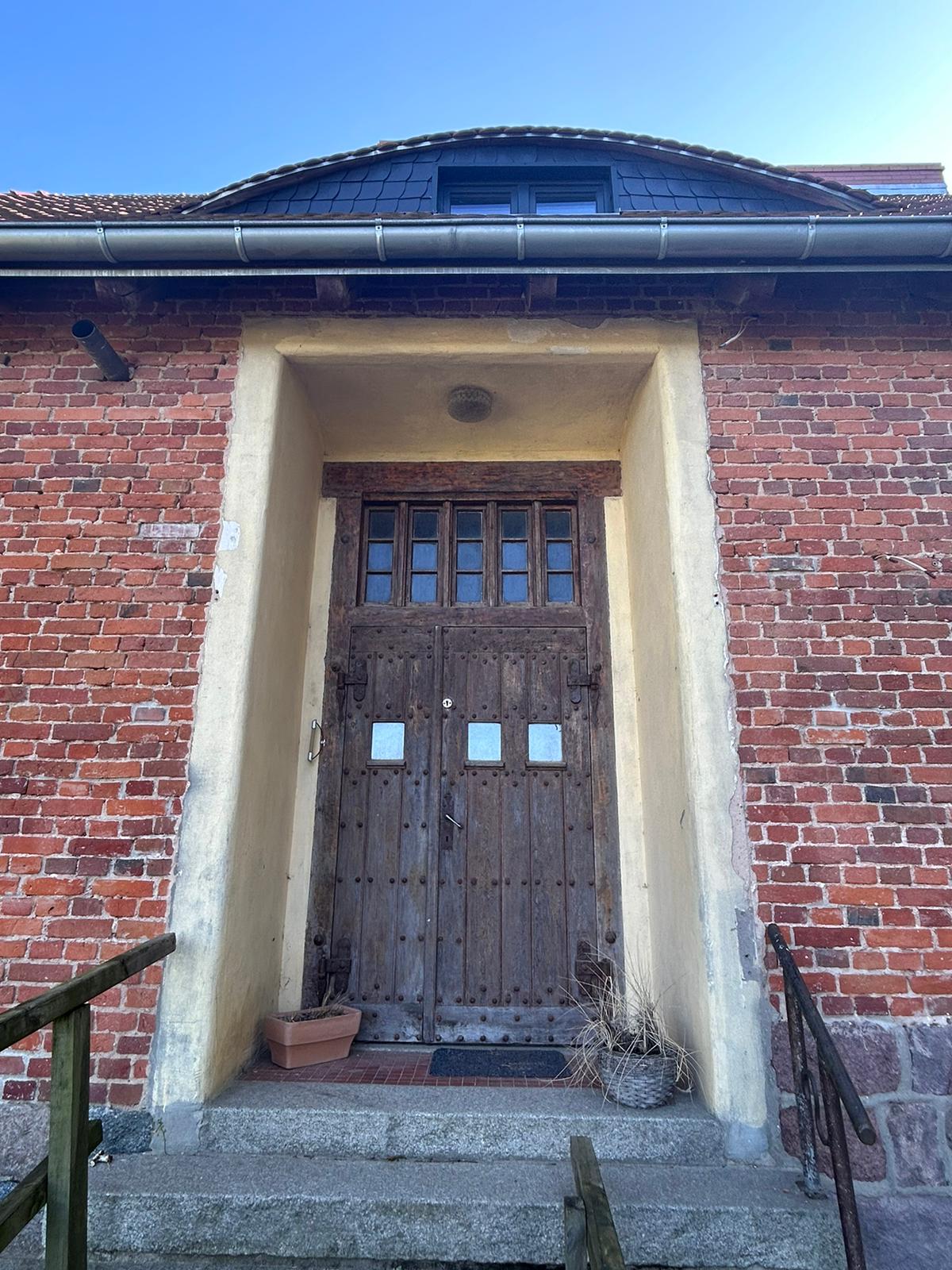
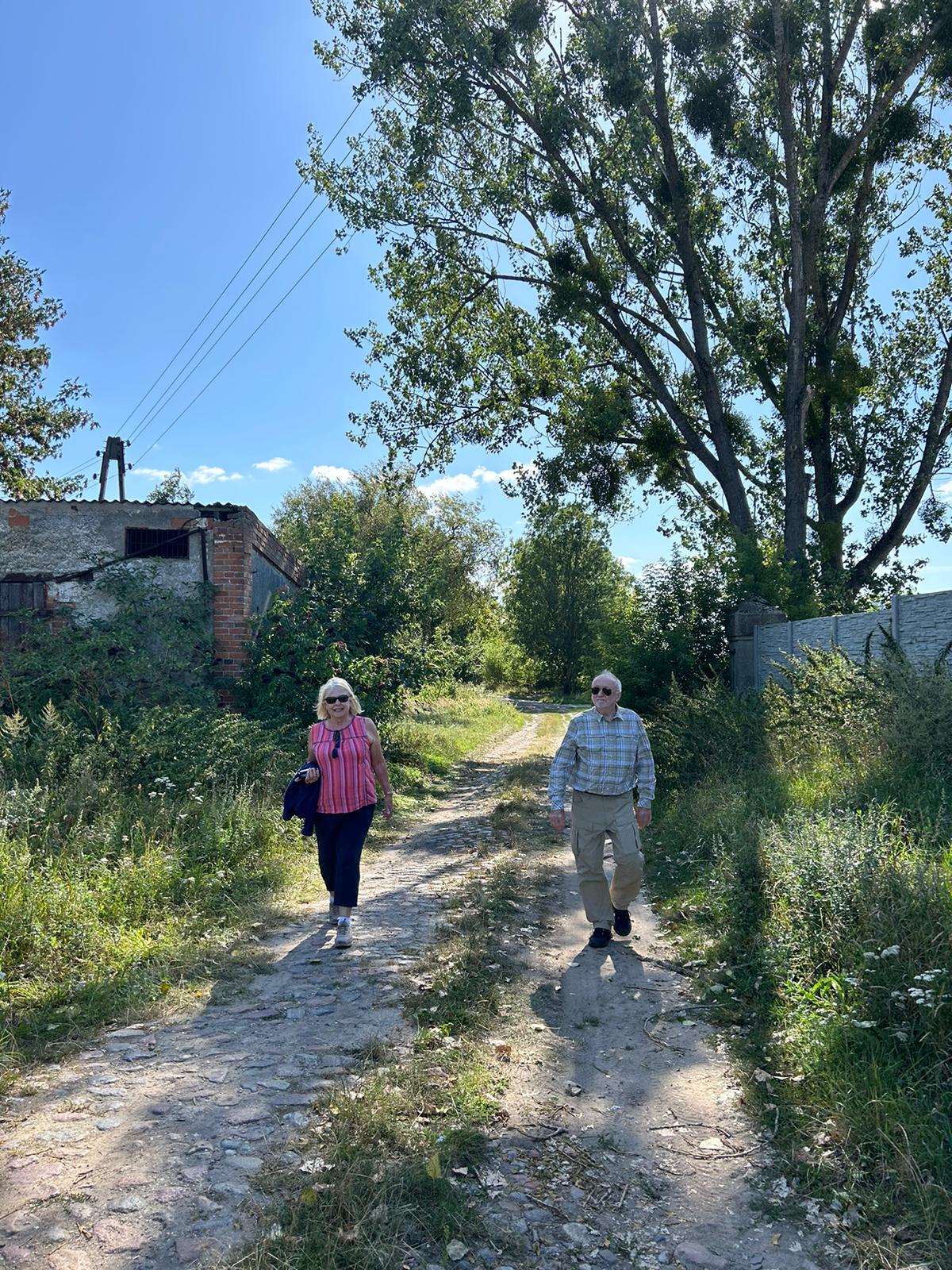
The sołtys guided us down an old, bumpy cobblestone road. It was an incredibly moving moment for the British father: he was walking the exact, uneven path his father took to school nearly a century ago. We arrived at a beautiful, historic red-brick building next to a pond, which was currently being renovated into a summer home.
Genealogy often uncovers unexpected truths. Through the translated photographs, local stories, and our investigation, we finally unraveled the mystery of the care packages.
When the grandfather left Poland during WWII, he left behind a Polish wife and a son. The packages from the UK were sent to this first family. For my client, discovering he had a half-brother and that his father had left a whole life behind was a “sour apple” to bite into. It took time to process, but it provided a profound, truthful closure to his family’s history that he never would have found otherwise.